Yes, you can. In fact, this is a common sourcing strategy for many international buyers.
However, there are some important things you need to understand before doing it.
Many people think that one container must contain only one product from one factory. That is not true. A container can be loaded with different products from different factories, but you need to manage the process correctly.
Here are the 3 key points you should consider:
1. You Can Mix Different Products, But You Need a Consolidation Plan
For example, you can purchase:
- 500 pieces of LED lights from one factory
- 300 vacuum bottles from another factory
- 200 customized packages from another supplier
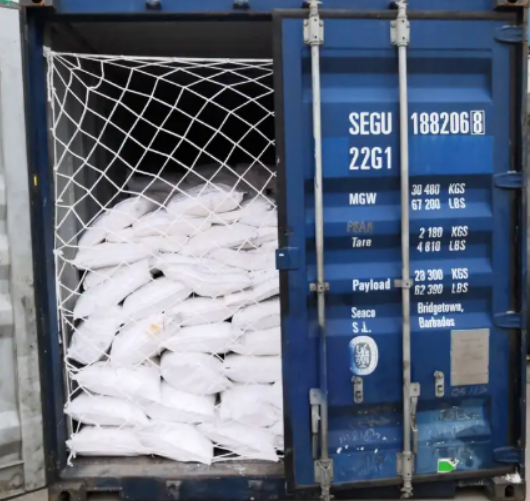
Then combine all these products into one full container shipment. This process is called cargo consolidation.
Usually, the products will be collected at a warehouse first, where they will be:
- Counted
- Inspected
- Organized
- Loaded into the same container
This method is especially popular for small and medium-sized buyers who want to test multiple products without buying a full container of only one item.
Combining goods from multiple factories or suppliers at a single warehouse so they can ship together in one container, instead of each supplier shipping separately.
2. Finding Factories Is Easy, Managing Them Is the Difficult Part
The biggest challenge is not buying different products. The challenge is coordination.
Different factories may have:
- Different production times
- Different packaging requirements
- Different quality standards
- Different payment terms
We've had containers where the electronics factory finished production in eighteen days and the packaging supplier needed three more weeks to get custom boxes right — the whole shipment sat waiting on the slower one, and nobody had budgeted for that gap when they priced the order.
This is why many buyers use a sourcing agent or third-party coordinator in China to communicate with factories and manage the entire process.
3. Always Calculate the Total Cost, Not Only Product Prices
Many buyers only compare factory prices, but international purchasing involves more costs:
- Factory price
- Domestic transportation in China
- Warehouse consolidation fees
- Inspection fees
- Export documents
- Ocean freight
- Customs duties
We've seen buyers proudly show us a spreadsheet of 10 rock-bottom factory quotes, then quietly drop the plan once warehouse fees, extra inspections, and the coordination time actually got added up — the "cheaper" option lost to a single reliable supplier once every line item was on the table.
A professional sourcing process focuses on the final landed cost.
- Mixing products from different factories in one container is normal — it's called consolidation.
- Coordination, not sourcing, is the hardest part of a multi-factory order.
- Compare total landed cost, not just factory price, before deciding to buy direct.
Coordinating multiple factories for one shipment?
We manage consolidation across suppliers, track production timelines factory by factory, and calculate your real landed cost before you commit.
Where This Actually Goes Wrong
It's rarely the mixing that causes problems — it's finding out three factories in, that one of the "manufacturers" was actually reselling another supplier's stock, or that the packaging factory's idea of "custom boxes" didn't match the sample they approved. If you're already planning to visit China to place these orders, that trip is the moment to walk each factory floor yourself, not just sign off on quotes from a hotel room.
The container itself is the easy part. Getting every supplier to deliver the right product, at the right quality, on the same week, is the part that actually determines whether consolidation saves you money or costs you a delayed shipment.
How SourciaVera Can Help
We coordinate multi-factory consolidation, verify each supplier before deposit, and inspect goods before they're loaded — so a mixed-factory container doesn't mean mixed-quality results.