No. Software can help, but it cannot solve the counterfeit problem by itself.
The biggest misunderstanding we run into is buyers assuming counterfeiting is a technology gap — like the right app or a blockchain ledger would have caught it. Nearly every counterfeit case we've actually worked traces back to a person, not a missing feature.
Technology can record information, track products, and improve transparency. But if the people entering, checking, or managing that information are unreliable, even the best software becomes useless.
Here are 3 reasons why:
1. Software Can Track Information, But It Cannot Verify Human Behavior
Many companies use blockchain, QR codes, RFID tags, and digital certificates to fight counterfeit products. These tools are useful because they can create a traceable record.
But the question is: who puts the information into the system?
If a supplier uploads fake information, uses a copied QR code, or falsely claims a product comes from a certified factory, the software itself cannot physically check the reality.
A system can tell you what someone entered. It cannot automatically tell you whether that person was honest.
2. The Real Problem Happens Before the Product Enters the System
Counterfeit issues usually start at the source:
- A fake manufacturer pretending to be a real factory
- A supplier replacing original materials with cheaper ones
- A factory producing extra units without authorization
- A trader hiding the real production location
By the time the information reaches software systems, the problem may already exist.
This is why supplier verification and factory audits are still important. A five-minute online verification cannot replace visiting a factory, checking production lines, and understanding who is actually making the product.
3. Trust Requires Human Inspection and Responsibility
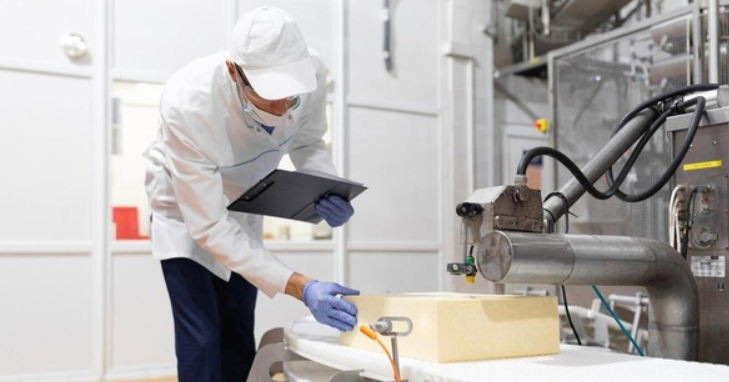
A tracking system will tell you a container left Yantian port on schedule. It won't tell you the factory swapped in a cheaper resin halfway through the production run, or that the "QC certificate" attached to the shipment was copied from a previous batch. Only someone physically checking units against the approved sample — on the line, not on a screen — catches that kind of substitution before it ships.
Technology increases efficiency, but humans create trust.
- Software records information — it can't verify whether that information is true.
- Most counterfeit problems start at the factory, before any system sees the product.
- Supplier verification and physical audits are what actually catch a fake before you pay.
Need to verify a supplier before your next order?
We visit the factory in person, confirm who's actually manufacturing your product, and document what software alone can't check.
What Actually Stops a Counterfeit Order
Counterfeit goods don't happen because a company's software stack was missing a feature. They happen because someone — a factory owner, a sales rep, a subcontractor — decided lying about materials, certifications, or production location was worth the risk. No dashboard catches that decision before it's made; only a person standing in the factory, asking the technical question a salesperson can't answer, does.
Better supplier selection, an actual factory audit, and quality control that involves someone's eyes on the product beat another tracking dashboard every time. The question worth asking before your next order isn't "what software can protect me" — it's "have I actually confirmed who I'm buying from."
How SourciaVera Can Help
We provide the human verification layer that software can't: on-site factory audits, supplier identity checks, and pre-shipment inspection — so you know who is actually behind your order before you pay.