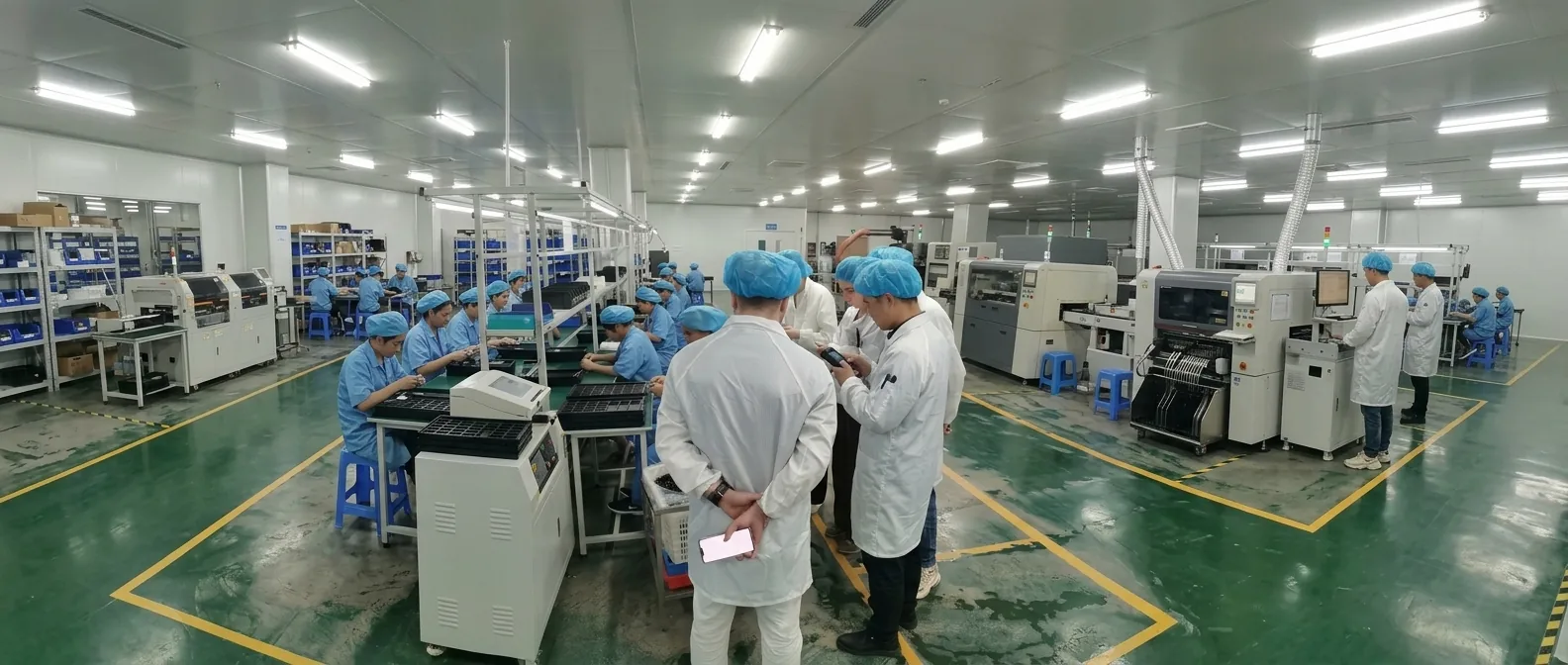
Mexico imports more than $129 billion USD worth of Chinese goods every year. A fraction of that money — nobody knows exactly how much — is lost to scams, products that don't meet spec, or suppliers who simply vanish after the first payment.
Mexican buyers face a structural disadvantage: negotiating in a language that isn't theirs, with a supplier they've never met, in a country they can't easily visit. This guide lists the five most common scams and what you can do to avoid every one of them.
The 5 most common Alibaba scams affecting Mexican importers
Scam #1: The middleman disguised as a factory
The "manufacturer" who contacts you on Alibaba doesn't actually produce anything. They buy from a real factory, charge you factory price, and pocket the difference. When quality or timeline problems come up, they have no control over production and simply disappear or blame the original supplier.
How to spot it: ask which factory produces the goods, request the manufacturing business license (not just the general trading license), and propose an in-person visit. A middleman will refuse or make excuses.
Scam #2: The perfect sample, the different bulk order
You receive a flawless sample. You approve the order. When the container lands in Mexico, the product is different: lower-grade materials, different finishes, dimensions that don't match. The sample was built specifically to win your trust. The bulk order was built to maximize the supplier's margin.
How to spot it: the only real protection is a pre-shipment inspection done directly at the factory, before the goods are loaded. You approve what you see — not the promise of what you'll see.
Scam #3: The special price with an urgent deposit
"This price is only valid today." "We have another buyer interested." "If you don't deposit 30% now, I can't reserve the production line." Artificial urgency is the most basic tool of trade fraud. A real factory with continuous production doesn't need to pressure you.
How to spot it: any supplier pressuring you on time before you've been able to verify anything is a red flag. Legitimate factories understand that serious buyers do their due diligence.
Scam #4: Quality that drops order after order
The first order arrives perfect. The second, acceptable. The third, unacceptable. This is the costliest scam because it takes time to unfold, and by the time you detect it you've already built a relationship and have inventory committed. The supplier gradually cut material quality to improve their margin.
How to spot it: random inspection on every order, not just the first one. If the first orders are perfect without inspection, don't assume the following ones will be too.
Scam #5: The supplier who disappears after the first payment
You wired the money. The supplier says production is underway. Weeks later, replies get slower. A month later, no response. The Alibaba account is closed. There's no written contract. There's no way to get the money back.
How to spot it: never pay without a written contract that specifies product details, delivery date, and penalty terms. Verify the company actually exists and is registered before any transfer.
Your checklist before paying any Alibaba supplier
Due-diligence checklist — Mexican importer
- I verified the company is legally registered in China (not just on Alibaba)
- I confirmed it's a manufacturer, not a middleman (in-person visit or local agent)
- I got the quote as a local Chinese buyer would (not only as a foreign importer)
- I saw the production line on video — not catalog photos
- I have a written contract with detailed technical specifications
- The contract includes a delivery date and penalties for non-compliance
- The payment method is bank T/T — not Western Union, USDT, or cash
- I have a pre-shipment inspection scheduled before the goods ship
- The supplier never pressured me to pay fast or before I was ready
Free tools you can use (and their real limits)
Alibaba Trade Assurance: covers basic disputes within the platform. It doesn't cover material quality, technical specs that weren't documented on the platform, or suppliers operating outside Alibaba.
Googling the company name + "scam" or "fraud": useful for catching publicly reported scams. It won't catch suppliers whose scams haven't been reported, or who are new to fraud.
Checking China's business registry (SAMR): you can confirm the company exists using its registration number. It doesn't confirm they're a manufacturer or that they have real capacity for your order.
Factory video sent by the supplier themselves: the supplier controls what they show you. They can show a factory that isn't the one producing your goods, or one that hasn't operated in years.
When you need professional help
If your order is over $3,000 USD, the cost of an independent verification ($349) is always justifiable. Also consider hiring an agent if:
- It's the first time you're buying from this supplier
- The product has critical technical specs (electronics, machinery, safety products)
- The delivery date is fixed and any delay seriously affects you
- You've already had a bad experience with a previous supplier
- The supplier won't accept standard contract terms
Have an Alibaba supplier you need to verify?
Free first consultation. We reply within 24 hours.